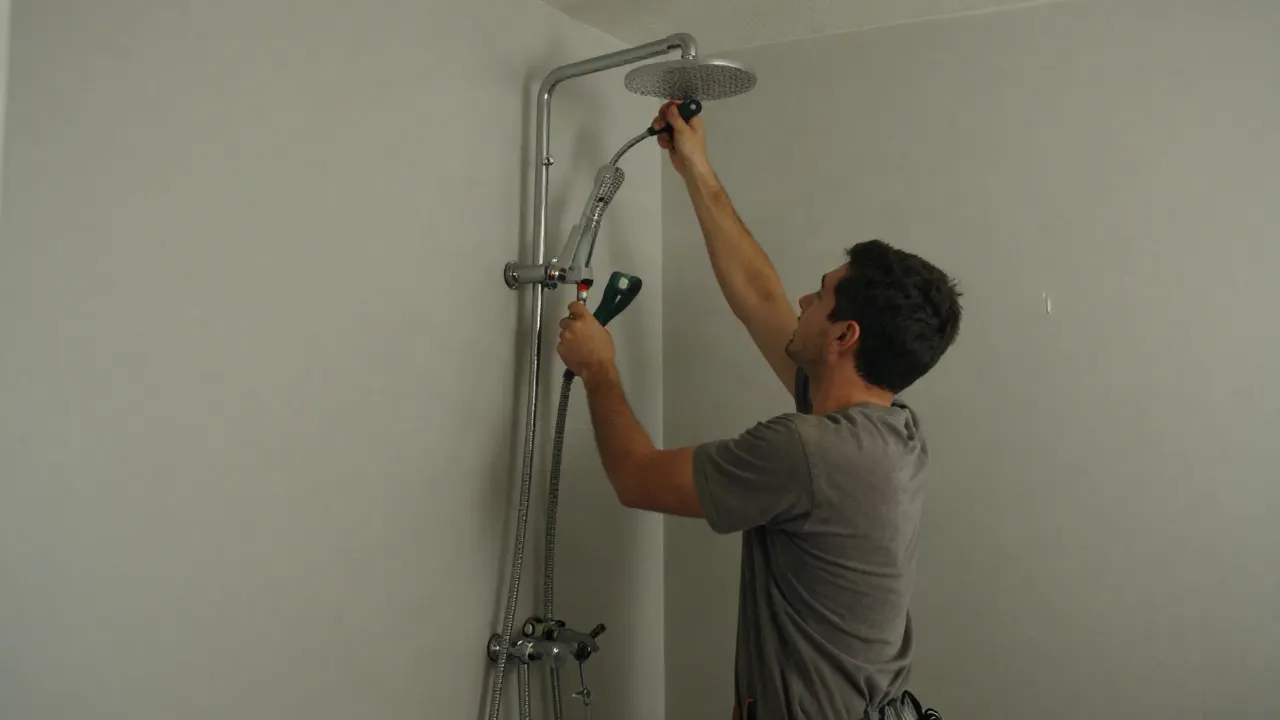
How to detect a hidden water leak in your Kingwood home
Hidden water leaks in Kingwood homes waste thousands of gallons and rot foundations. Here are the meter tests, slab leak signs, and fixes that actually work.
You can detect a hidden water leak in your Kingwood home by shutting off every fixture, watching your water meter's low-flow indicator for 15 minutes, and checking for warm floor spots, musty odors, or a water bill that jumped more than 20% month over month. If the meter dial still moves with nothing running, water is escaping somewhere between the meter and your fixtures. The rest of this post walks through each test in order, explains what the results mean, and covers the Kingwood-specific reasons slab leaks show up so often here.
What a hidden water leak actually is
How to detect a hidden water leak in your Kingwood home is a process of elimination: hidden water leak detection is the practice of finding water loss that occurs behind walls, under slabs, or inside pipe chases where you cannot see the drip. A leak behind drywall or beneath a post-tension slab can run for weeks before it surfaces as a stain, a spongy floor, or a $400 water bill.
Visible leaks announce themselves. Hidden ones do not. They show up as symptoms - a hot spot on the tile, a toilet that refills on its own, a faint hiss at 2 a.m. when the house is quiet. Our job is to trace those symptoms back to the pipe.
Kingwood sits on clay-heavy soil that swells when it's wet and shrinks when it's dry, and that movement stresses buried lines year after year. That's one reason we run so many leak calls here. If you need a hand from a crew that works these neighborhoods daily, our plumbing humble TX team handles detection and repair across the area.
How do I detect a hidden water leak in my Kingwood TX home?
Detecting a hidden water leak in Kingwood TX starts with the meter test, because your water meter is the only device in the house that measures every drop entering the property. Everything else is a clue; the meter is the proof.
Step 1: The 15-minute meter test
- Turn off every fixture - sinks, showers, washing machine, ice maker, irrigation, pool autofill.
- Find your meter box, usually near the curb under a concrete or plastic lid.
- Lift the lid and look for the small triangle or low-flow dial next to the main sweep hand.
- If that triangle is spinning, water is moving through the meter right now.
- Note the reading, wait 15 minutes with nothing running, and read it again.
If the low-flow indicator moved, you have a leak. If it stayed still, the leak may be intermittent - a toilet flapper that only fails under pressure, or an irrigation zone that only runs on schedule.
Step 2: Isolate the source
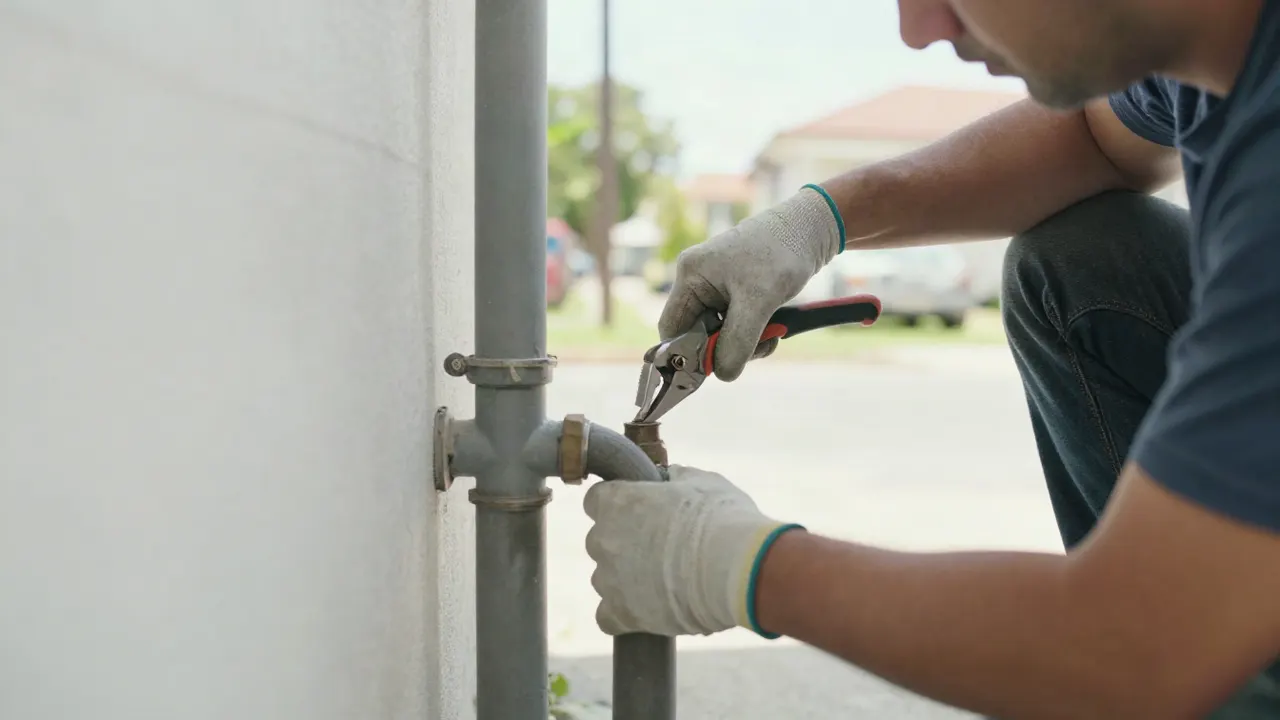
Close the shut-off valve on your irrigation backflow preventer and repeat the meter test. If the dial stops, the leak is outdoors in the sprinkler system. If it keeps moving, the loss is inside the house.
Next, shut off the angle stops under each toilet and repeat. Toilets are the single most common source of phantom water loss - a flapper that fails to seal can waste 200 gallons a day without making a sound.
Step 3: Listen and feel
At night, when the house is quiet, walk the perimeter of your slab and listen. A slab leak often produces a faint hiss or a bubbling sound near the point of failure. Run your hand along the base of walls and across tile floors - a warm patch on a cold-water line is a strong indicator.
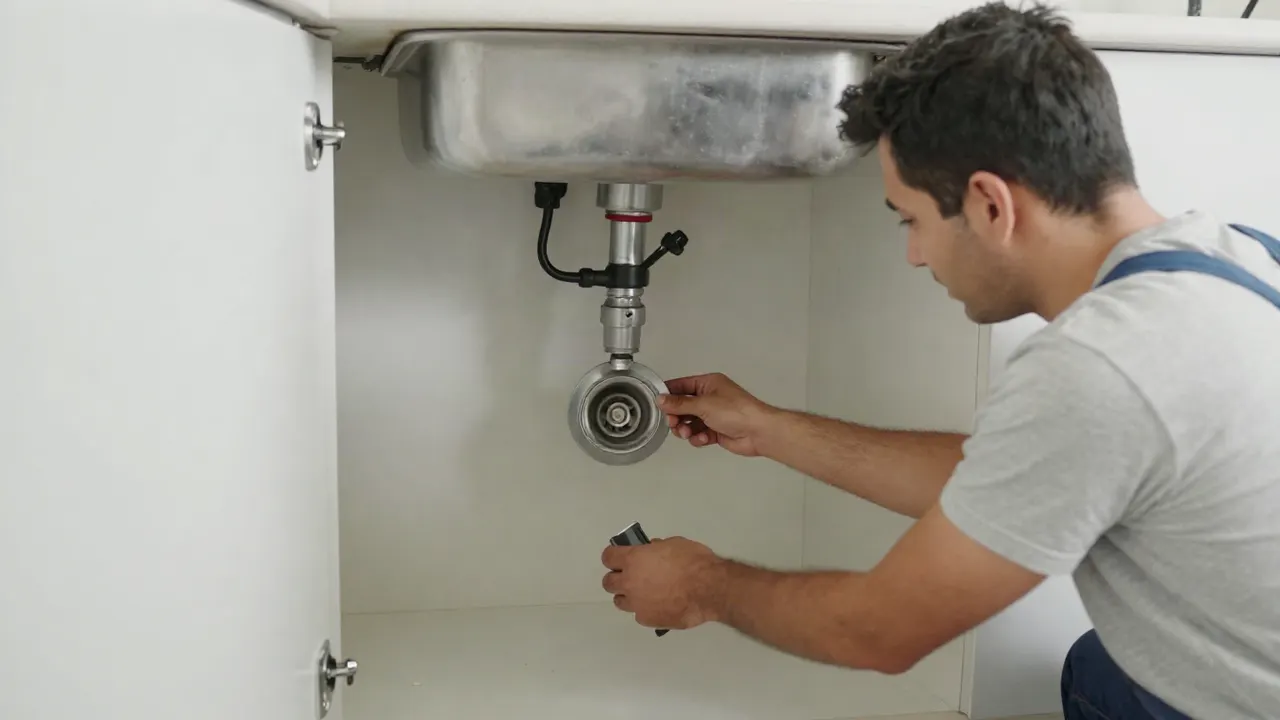
If the meter test points indoors and you can't pin it down, professional leak detection humble TX uses acoustic listening discs, thermal imaging, and pressure isolation to pinpoint the break within a few inches before anyone cuts concrete.
What are the signs of a slab leak in Kingwood?
The signs of a slab leak in Kingwood are a hot spot on the floor, the sound of running water when everything is off, a water bill that climbs without explanation, cracks in tile or drywall, and a musty smell that won't go away. Any two of those together justify a same-week inspection.
Slab leaks are the most expensive hidden leak because the pipe is under concrete. Here's what we look for on a typical call:
- Warm floor spots - a hot-water line leaking under the slab heats the concrete above it.
- Unexplained moisture - carpet that feels damp near an exterior wall, or baseboards that swell.
- Sound of running water - audible at night with all fixtures off.
- Spiking water bill - a jump of 20% or more with no change in habits.
- Foundation cracks - new diagonal cracks in tile, brick, or drywall near the slab edge.
- Musty odor - mildew growing in the wall cavity or under flooring.
Kingwood's 77339 ZIP code has a lot of 1970s and 1980s construction with copper supply lines that are now 40 to 50 years old. Copper pinhole leaks are common in that age range, especially where the soil has shifted. When we confirm a slab leak, we usually repair the section or reroute the line overhead rather than tunnel through the foundation. That decision depends on how much pipe is affected and how accessible the run is.
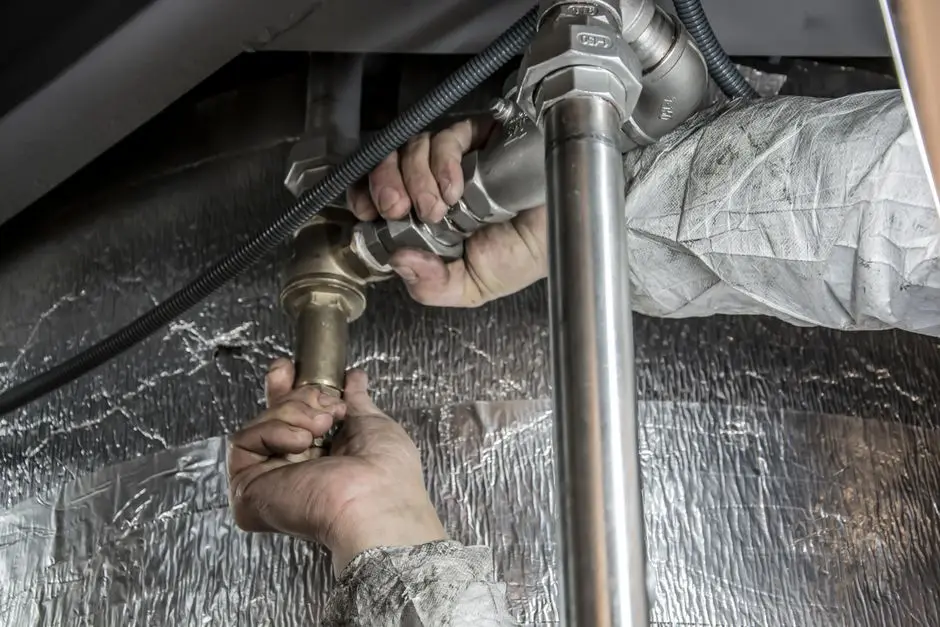
For homes with recurring pinhole leaks across multiple lines, whole-house repiping humble TX is often cheaper over ten years than patching one leak at a time. We'll walk you through the math on both options before you commit.
Why Kingwood homes leak more than you'd think
Kingwood's soil, tree canopy, and housing stock combine to make hidden leaks more common here than in newer suburbs west of Houston. The clay expands and contracts with every wet-dry cycle, and mature pines and oaks drive roots into any crack in a sewer or water line.
Three local factors matter:
- Expansive clay soil. Movement of a few inches over decades is enough to shear a copper line at a fitting.
- Mature tree roots. Roots follow moisture and can infiltrate a joint in a sewer lateral within a season.
- Aging infrastructure. Homes built before 1990 often still have original copper supply lines and cast-iron drains.
We also see a spike in leak calls after the first hard freeze of the year, usually in January or February. A pipe that survived 40 summers can split on the first night below 25°F if it runs through an uninsulated exterior wall. Insulating those runs before the cold arrives is a cheap preventive step.
If your leak turns out to be on the drain side rather than the supply side, the symptoms look different - slow drains, gurgling, sewage smell. That's a sewer line repair humble TX issue, and we handle those with camera inspection before we quote anything.
What to watch out for when hunting a leak
The most common mistake we see is homeowners assuming a high water bill means a slab leak when it's actually a running toilet or a leaking irrigation valve. Check the cheap stuff first.
Other traps:
- Ignoring the meter test. Without it, you're guessing. With it, you know whether water is moving.
- Cutting into drywall too early. A stain on the ceiling doesn't always sit directly below the leak - water travels along joists.
- Assuming the leak is inside. Irrigation lines, pool autofills, and hose bibs account for a large share of phantom loss.
- Waiting on a warm floor spot. A hot-water slab leak can erode soil under the foundation for months before the floor feels warm.
- Patching without finding the cause. If the pipe failed because of soil movement, the patch will fail too.
One more: don't trust a water bill alone. Houston-area utility billing cycles vary, and a single high month can reflect an estimated read rather than actual usage. Compare two consecutive bills before you panic.
When to call a professional
Call a professional when the meter test shows continuous flow and you've already ruled out toilets and irrigation - that means the leak is behind a wall or under the slab, and finding it without the right tools means cutting into finished surfaces on a guess.
At Humble Pinewell Plumbing, we run acoustic and thermal detection first, mark the break location, and only then open the wall or floor. You get a fixed price before we start, and we test the line under pressure before we close anything up.
If you're also dealing with a failing water heater alongside the leak - common in older Kingwood homes - we can handle both on the same visit. Our water heater repair humble TX techs see a lot of 12-to-15-year-old tanks that are one cold snap away from a puddle.
Frequently Asked Questions
How to detect a hidden water leak in Kingwood TX?
Shut off all fixtures, watch the low-flow dial on your water meter for 15 minutes, and check for warm floor spots, musty odors, or a bill that jumped 20% or more. If the dial moves with nothing running, you have a leak.
What are signs of a slab leak in Kingwood?
Warm spots on the floor, the sound of running water when everything is off, a spiking water bill, new cracks in tile or drywall, and a musty smell. Two or more together justify an inspection within the week.
Who does leak detection in Kingwood TX?
Licensed plumbing contractors with acoustic and thermal detection equipment. Humble Pinewell Plumbing serves Kingwood and the surrounding area - we locate the break before opening any wall or slab.
How much does leak detection cost in Kingwood?
Typical 2026 pricing in this area runs $250 to $450 for a residential leak detection visit, depending on whether it's a slab, wall, or yard line. Repair is quoted separately once we've located the break.
Can a hidden leak fix itself?
No. Mineral deposits can temporarily slow a pinhole leak, but the pipe is still compromised and will fail again - usually at the worst possible time. Repair is the only permanent fix.
Get help with plumbing in humble
If your meter test points to a hidden leak, we can find it and fix it - usually the same day you call. Humble Pinewell Plumbing serves Kingwood, Humble, Atascocita, and the surrounding neighborhoods.
Call (346) 676-4111 to schedule leak detection or ask us a question about what you're seeing.